


 Send Inquiry
PCE MACHINERY
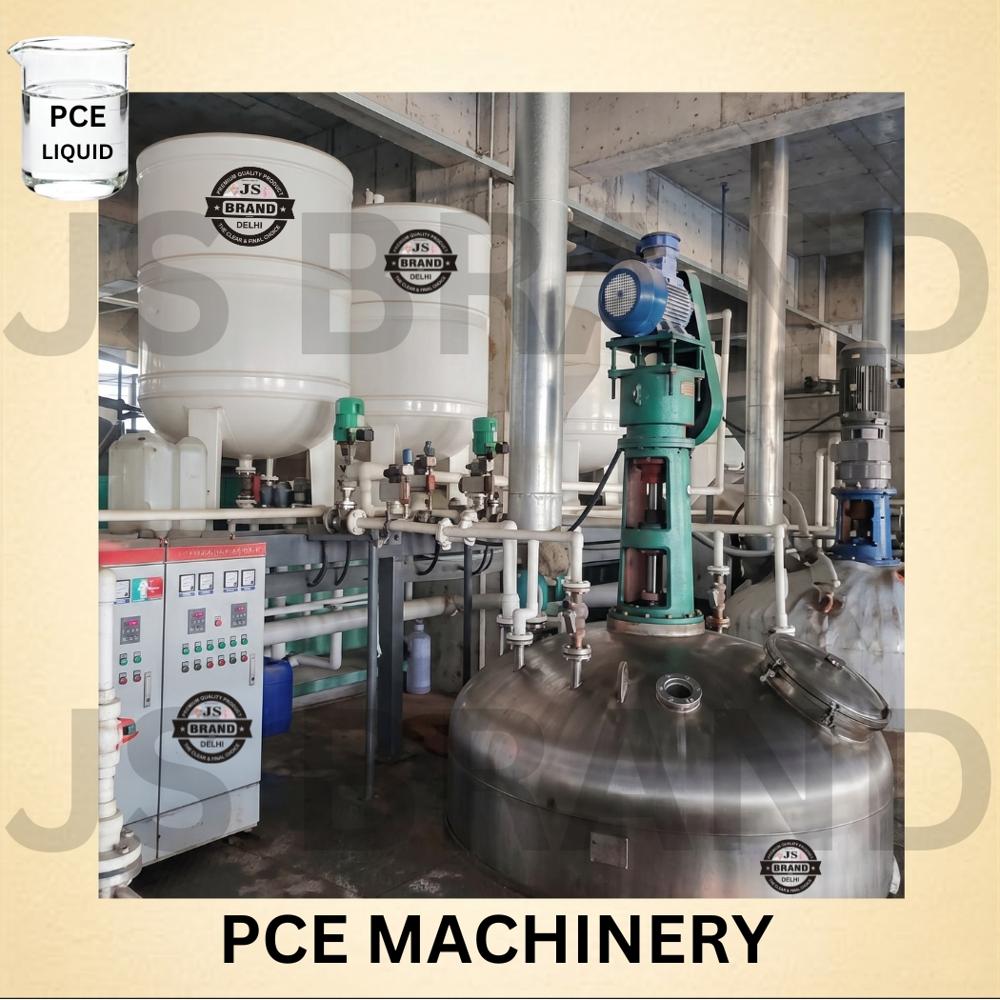

PCE MACHINERY Specification
- Feature
- Automatic operation, multiple reactor vessels, integrated control panel, robust construction
- Grade
- Industrial Grade
- Usage
- Used in chemical and construction industries for manufacturing superplasticizer admixtures
- Other Names
- PCE Liquid Production Plant
- HS Code
- 8479 (Approximate, for industrial machinery)
- Application
- Production of PCE Liquid (Polycarboxylate Ether)
- Chemical Name
- Not Applicable (Machinery)
- Appearance
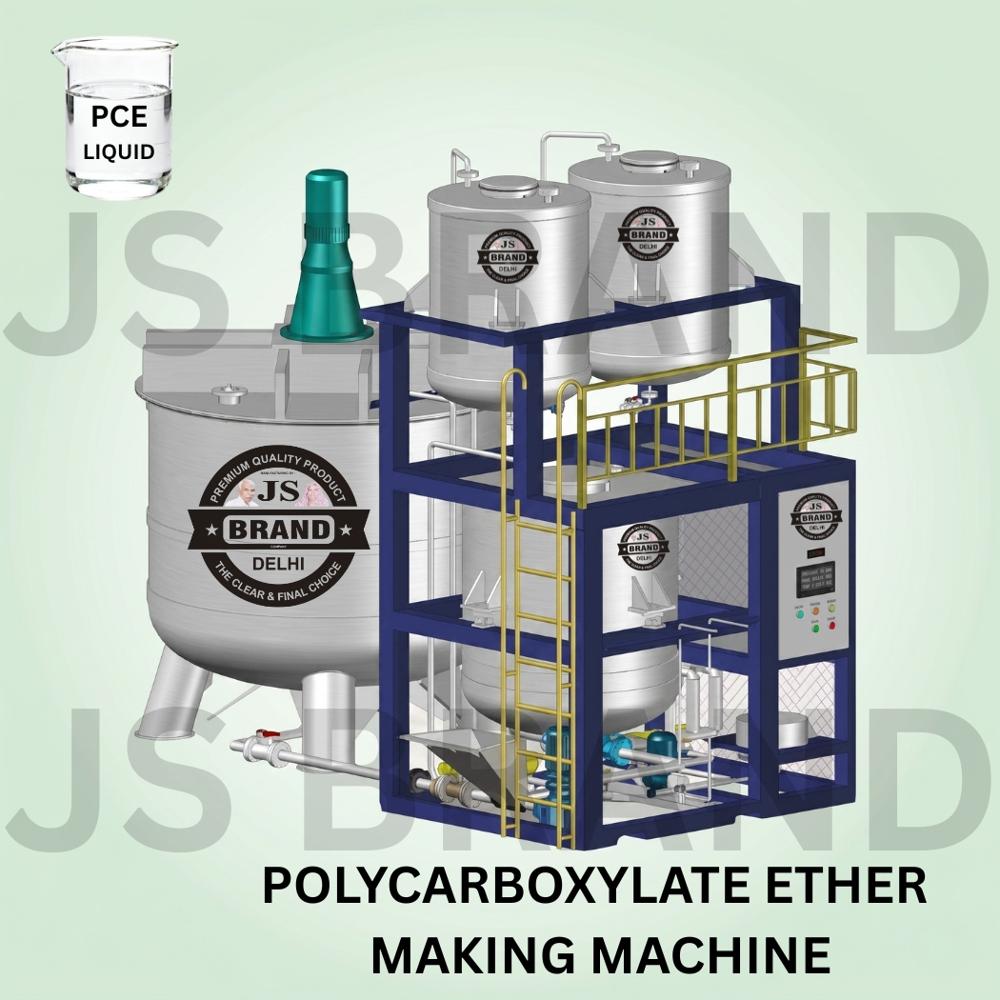
- Large Stainless Steel and Polyurethane Reactors/Gear-Motor Blend Units
- Type
- Machinery for PCE (Polycarboxylate Ether) Production
- Color
- Stainless steel, white (reactor tank), and teal (mixer motor)
- Physical Form
- Liquid
- Power Supply
- Three-phase electrical connection, 380-415V
- Control System
- Programmable Logic Controller (PLC) with digital display
- Maintenance
- Periodic inspection of seals, motors, and control units recommended
- Mixing System
- High-torque electric agitator
- Feeding System
- Automated inlet valves for raw material feeding
- Capacity Range
- Typically available in 500L, 1000L, 2000L and custom sizes
- Safety Features
- Overpressure release, emergency stop function, sealed agitator unit
- Discharge System
- Bottom outlet valve with flow control
- Reactor Tank Material
- Stainless Steel (SS316/SS304 depending on specification)
- Operating Temperature
- Range: Ambient to 100C (depending on polymerization requirements)
- Preferred Industries
- Chemical, Concrete Admixture, Construction Materials
- Operational Mode
- Batch or Semi-continuous
PCE MACHINERY Trade Information
- Minimum Order Quantity
- 1 Piece
- FOB Port
- DELHI
- Payment Terms
- Cash Advance (CA), Cash in Advance (CID)
- Supply Ability
- 1 Piece Per Month
- Delivery Time
- 15 Days
- Sample Available
- No
- Sample Policy
- Sample costs shipping and taxes has to be paid by the buyer
- Main Export Market(s)
- Asia
- Main Domestic Market
- All India
About PCE MACHINERY
PCE Machinery generally refers to measurement, control, and weighing equipment manufactured and supplied by PCE Instruments (PCE Deutschland GmbH). Founded by German engineers in 1999, PCE designs and produces industrial test instruments, laboratory technology, process control systems, and scales used for quality control, preventive maintenance, and scientific research.Advanced Stainless Steel Design
Built to last, the PCE MACHINERY utilizes SS316 or SS304 stainless steel for all reactor tank components, ensuring resistance to corrosion and durability for continuous operation. The sleek, polished exterior not only maintains chemical integrity but also contributes to easy cleaning and lower maintenance cycles.
Intuitive Digital Control System
With a programmable logic controller (PLC) and a user-friendly digital display, the machinery allows operators to manage all critical parameters. The integrated automation streamlines raw material feeding, mixing, and discharge operations, enhancing both safety and process consistency.
Customizable for Industrial Needs
Available in standard and tailored capacities, the PCE MACHINERY adapts to diverse production scales for both batch and semi-continuous operations. Its modular configuration, multiple reactor vessels, and robust construction make it suitable for various chemical and construction material plants.
FAQ's of PCE MACHINERY:
Q: How does the automated feeding and discharge system work in PCE MACHINERY?
A: The automated inlet valves precisely control and manage the flow of raw materials into the reactor. After processing, the bottom outlet valve with flow control ensures safe and efficient discharge of the finished PCE liquid. These features reduce manual intervention and enhance operational safety.Q: What industries benefit most from using this PCE MACHINERY?
A: This machinery is ideal for the chemical and construction industries, specifically for manufacturers producing PCE-based superplasticizer admixtures for concrete. Its robust design and reliable automation meet the rigorous demands of these sectors.Q: When should maintenance be performed on the reactor and control systems?
A: Periodic inspection is recommended for key components such as seals, electric motors, and the PLC-based control unit. Regular maintenance ensures optimal mixing performance, prolongs equipment life, and maintains operational safety.Q: Where should the PCE MACHINERY be installed for optimal performance?
A: Installation in well-ventilated, industrial production areas with accessible three-phase (380-415V) electrical supply is essential. The location should accommodate the reactor's size and allow for routine maintenance and safe operation.Q: What is the standard process for producing PCE liquid using this equipment?
A: Operators load raw materials via automated feeders, then use the PLC control to initiate and monitor mixing within the stainless steel reactor tank. The high-torque agitator ensures consistent blending, and the control system manages temperature according to formulation requirements. Once processing is complete, the product is discharged through the controlled outlet.Q: How does this machinery enhance safety during PCE production?
A: The system incorporates safety features such as overpressure release valves, emergency stop functions, and a sealed agitator unit to protect against leaks and accidents. These measures help ensure both personnel safety and process stability.Q: What are the primary benefits of using the PCE MACHINERY in industrial applications?
A: Key benefits include efficient, consistent mixing; reliable automation; robust and corrosion-resistant construction; customizable capacity; and integrated safety features, all of which contribute to higher product quality and streamlined production workflows.Price 4260000.0 INR/ Piece
- Minimum Order Quantity
- 1 Piece
- Supply Ability
- 1 Piece Per Month
- Delivery Time
- 15 Days
- Main Domestic Market
- All India
- Main Export Market(s)
- Asia
 Get Latest Price
Tell us about your requirement

Price:
Quantity
Select Unit
- 50
- 100
- 200
- 250
- 500
- 1000+
Additional detail
Mobile number
Email

More Products in POLYCARBOXYLATE ETHER MACHINE Category
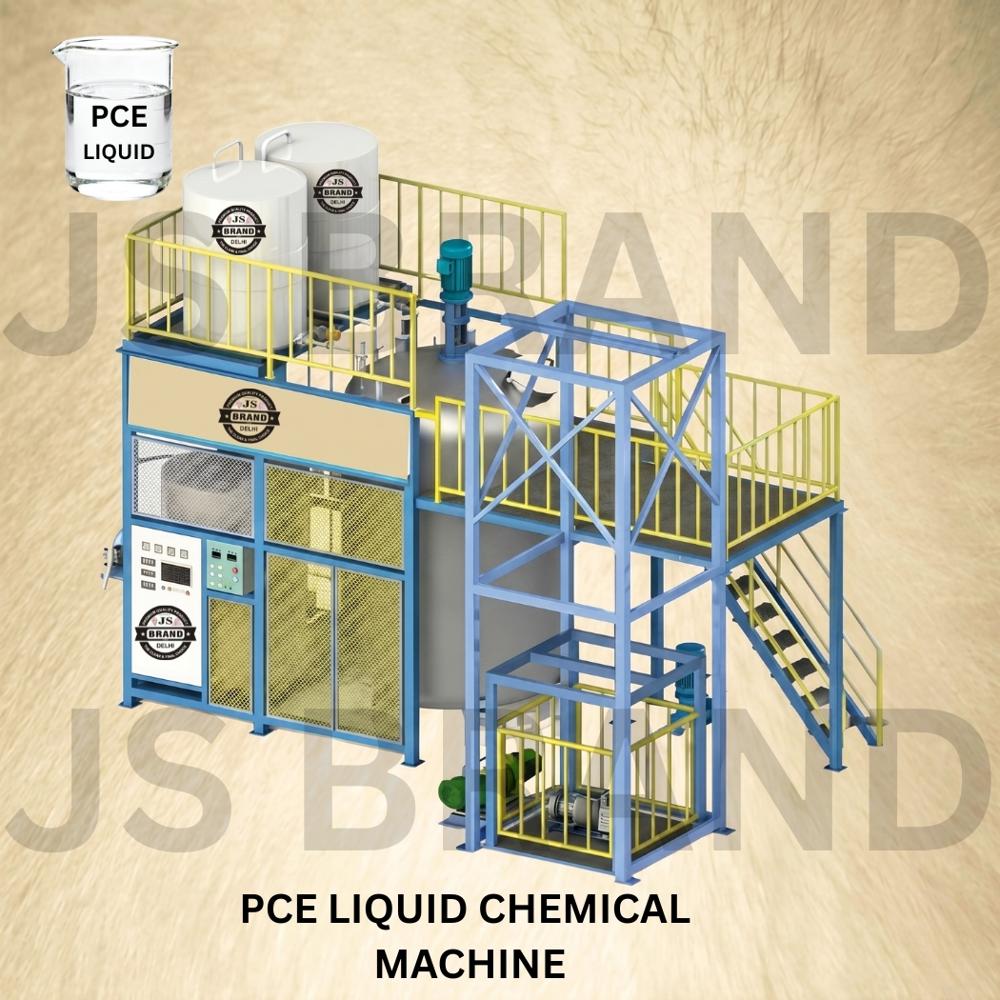
PCE LIQUID CHEMICAL MACHINE
Price 3349000.0 INR / Unit
Minimum Order Quantity : 1 Unit
Operating Type : Semi Automatic
Color : Other, Pale yellow
Warranty : 1 YEAR
Product Type : Other
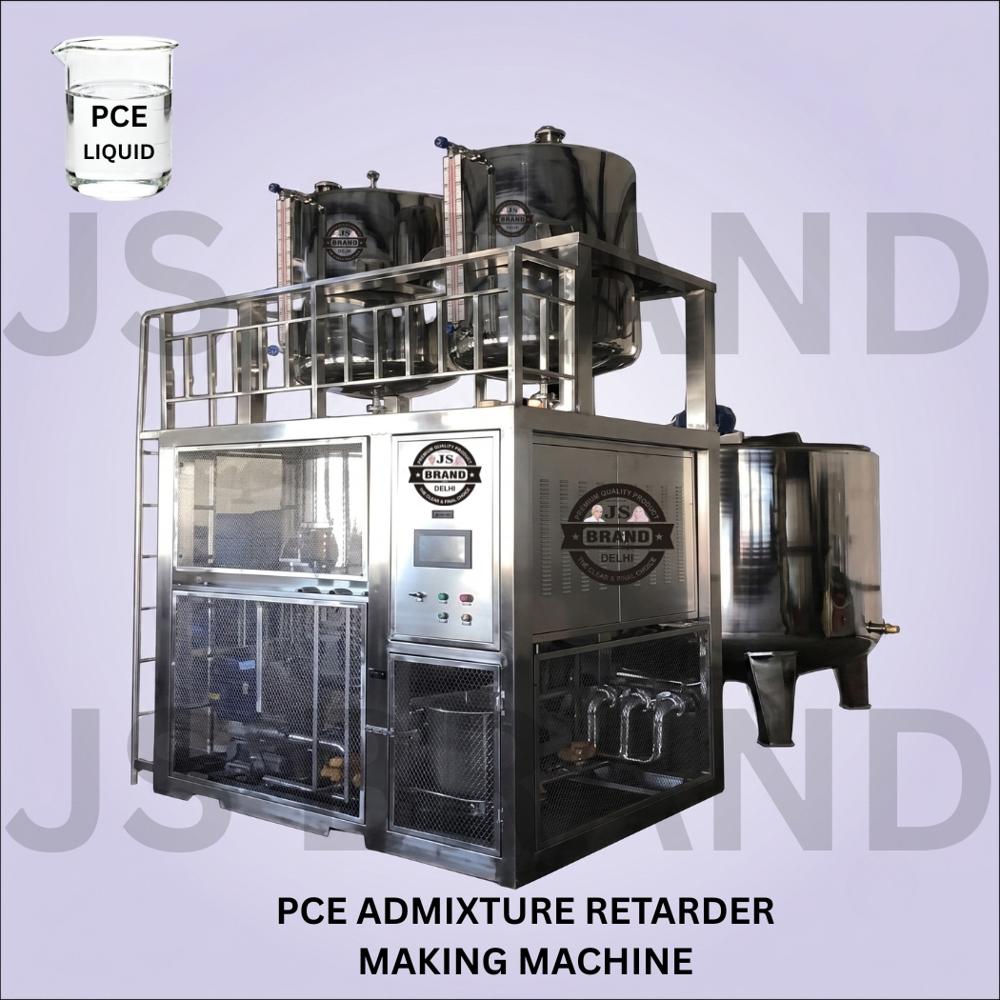
PCE ADMIXTURE RETARDER MAKING MACHINE
Price 5154000.0 INR / Piece
Minimum Order Quantity : 1 Piece
Operating Type : Semi Automatic
Color : Other, Metallic (machine), Final product: Colorless to light yellow liquid
Warranty : 1 YEAR
Product Type : Other
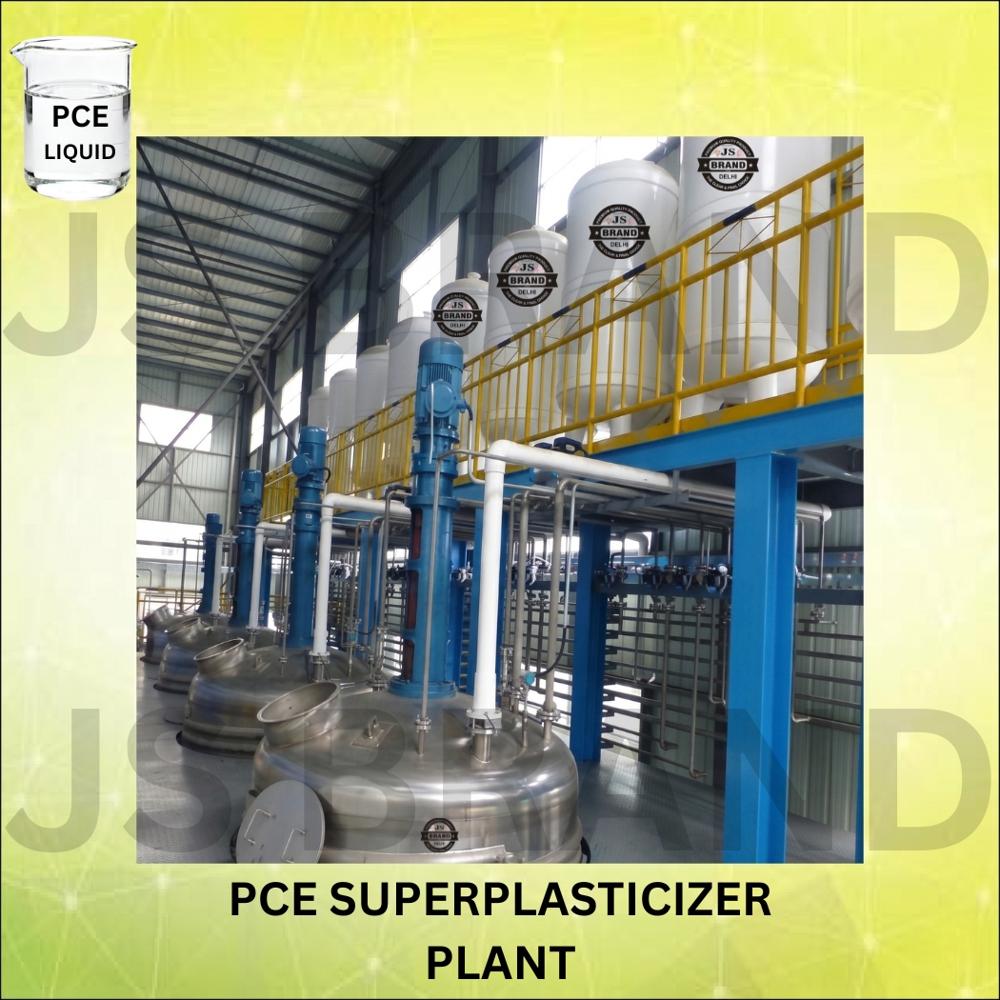
PCE SUPERPLASTICIZER PLANT
Price 3550000.0 INR / Piece
Minimum Order Quantity : 1 Piece
Operating Type : Semi Automatic
Color : Other, Clear to pale yellow
Warranty : 1 YEAR
Product Type : Other
Polycarboxylate Ether Making Machine
Price 3149000.0 INR / Piece
Minimum Order Quantity : 1 Piece
Operating Type : Semi Automatic
Color : STEEL
Warranty : 1 YEAR
Product Type : Other

J.S Brand
All Rights Reserved.(Terms of Use)
Developed and Managed by Infocom Network Private Limited.
Developed and Managed by Infocom Network Private Limited.