


 Send Inquiry
POLYCARBOXYLATE ETHER LIQUID MAKING MACHINE
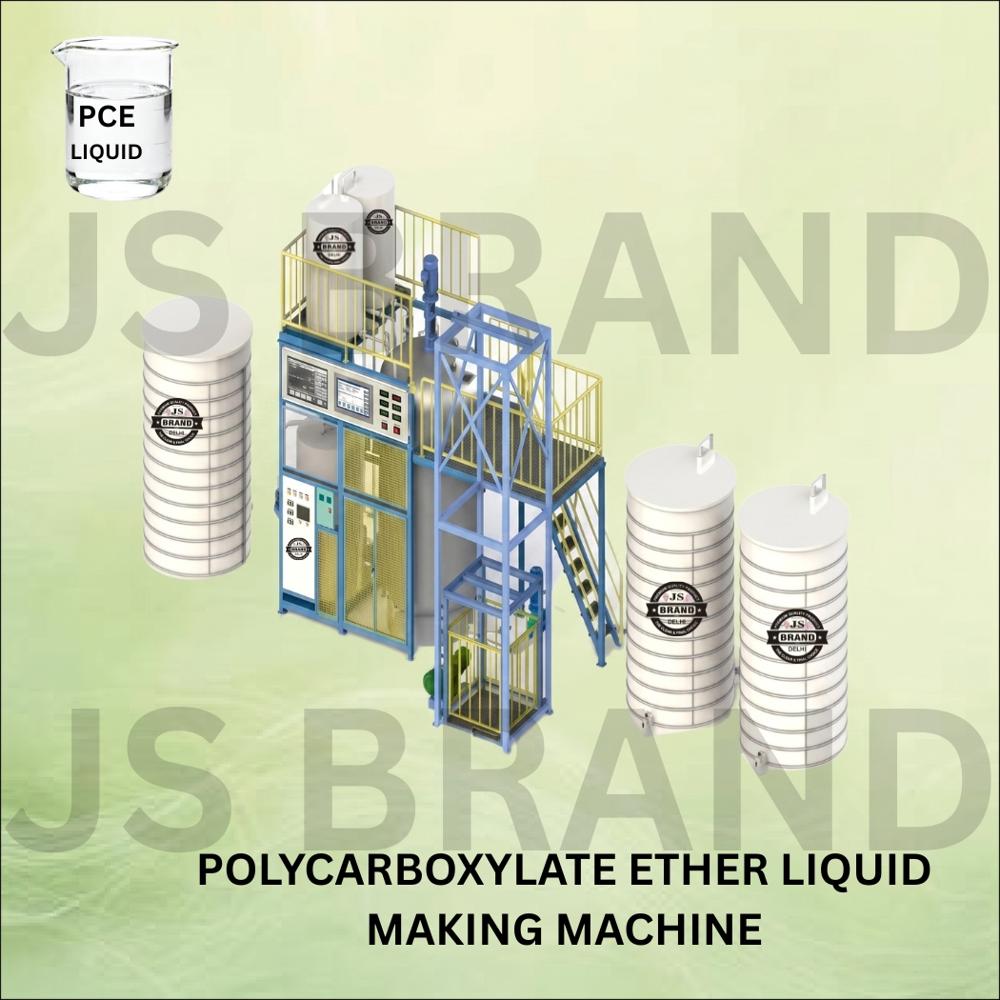

POLYCARBOXYLATE ETHER LIQUID MAKING MACHINE Specification
- Smell
- Odorless (machine); output depends on formulation
- Feature
- Automated operation, PLC control system, high efficiency blending
- Color
- Machine Body: Blue/Yellow/White, Product: Clear Liquid
- Appearance
- Industrial Equipment with Control System and Storage Vessels
- Structural Formula
- N/A (Machine Product)
- Physical Form
- Liquid
- Chemical Name
- Polycarboxylate Ether
- Molecular Formula
- N/A (Machine Product)
- Poisonous
- No (machine)
- Other Names
- PCE Liquid Manufacturing Equipment
- EINECS No
- N/A (Machine Product)
- Application
- For production of Polycarboxylate Ether liquid admixture used in concrete
- Type
- Chemical Making Machine
- CAS No
- N/A (Machine Product)
- Water Content
- Customizable as per production process
- Purity
- Process dependent, typically up to 99% for end product
- Usage
- Batch production of PCE liquid for construction and concrete admixture industries
- Grade
- Industrial
- Ph Level
- Adjustable, depending on recipe and process
- Molecular Weight
- N/A (Machine Product)
- HS Code
- 84798200
- Process Monitoring
- Temperature, pressure, level, and flow sensors integrated
- Power Supply
- 380V/50Hz or as per customer requirement
- Output Form
- PCE Liquid
- Safety Features
- Emergency stop, overpressure protection, automatic shutdown
- Raw Material Feeding
- Automated or manual, as per model
- Agitation System
- High-speed agitator with variable speed drive
- Automation Level
- Fully-automatic / Semi-automatic available
- Heat Source
- Steam/Electric/Oil (customizable)
- Material of Construction
- SS304/316 or Carbon Steel as per process need
- Installation
- Modular, easy to assemble at site
- Dimensions
- Custom made as per plant design
- Production Capacity
- Customizable, typically ranges from 1 ton to 40 tons per batch
- Control System
- PLC Controlled with HMI (Human Machine Interface)
- Operating Mode
- Batch/Continuous (configurable)
- Suitable For
- Industrial PCE admixture production for construction chemicals and concrete
POLYCARBOXYLATE ETHER LIQUID MAKING MACHINE Trade Information
- Minimum Order Quantity
- 1 Piece
- FOB Port
- DELHI
- Payment Terms
- Cash Advance (CA), Cash in Advance (CID)
- Supply Ability
- 1 Piece Per Month
- Delivery Time
- 15 Days
- Sample Available
- No
- Sample Policy
- Sample costs shipping and taxes has to be paid by the buyer
- Main Export Market(s)
- Asia
- Main Domestic Market
- All India
About POLYCARBOXYLATE ETHER LIQUID MAKING MACHINE
Polycarboxylate Ether (PCE) liquid making machine is an industrial chemical synthesis system used to manufacture high-performance, water-reducing concrete superplasticizers. It automates the precise free-radical polymerization of macro-monomers (like HPEG/TPEG), acrylic acid, and catalysts to produce the foundational liquid admixture used in modern construction.Versatile Production Capabilities
This PCE Liquid Making Machine accommodates a wide range of batch sizes, suitable for both small-scale and large-scale industrial applications. With its customizable production capacity and modular setup, it is adaptable to various plant configurations, ensuring flexibility and scalability for manufacturers seeking to upgrade or expand their facilities.
Automated Processing for Consistent Quality
The integrated PLC control system with HMI allows for precise management of essential parameters like temperature, pressure, and liquid levels. Automated and manual feeding options, variable speed agitation, and multiple heat source configurations contribute to consistent product quality and optimal yields, while reducing human intervention and operational errors.
Efficient and Safe Operation
Designed with safety and efficiency in mind, the machine features emergency stop systems, overpressure protection, and automatic shutdown protocols. Operators benefit from a user-friendly interface and straightforward process controls, ensuring smooth, uninterrupted production and quick troubleshooting should any issue arise.
FAQ's of POLYCARBOXYLATE ETHER LIQUID MAKING MACHINE:
Q: How does the Polycarboxylate Ether Liquid Making Machine operate?
A: This machine utilizes a configurable process-either batch or continuous-managed via a PLC control system and HMI. It combines high-speed agitation, automated or manual raw material feeding, and customizable heating sources (steam, electric, or oil) to produce clear liquid PCE admixture suitable for concrete applications.Q: What are the benefits of using this machine for PCE production?
A: The main advantages include high production efficiency, consistently high product purity (up to 99% depending on process), reduced manual labor due to automation, and the ability to monitor critical parameters in real time. The modular design also ensures straightforward installation and future scalability.Q: When should I use automated versus manual raw material feeding?
A: Automated feeding is ideal for large or continuous operations where speed, precision, and consistency are crucial. Manual feeding may be preferred for smaller batches, initial process trials, or when processing unique recipes that require frequent user intervention.Q: Where is this machine typically installed?
A: The machine is designed for industrial settings, particularly in manufacturing plants that produce chemical admixtures for the construction and concrete industries. Its modular construction allows adaptation to different plant layouts and production capacities.Q: What is the process for PCE liquid production using this equipment?
A: The process involves automated or manual feeding of raw materials, precise parameter setting using the HMI, high-speed mixing under controlled temperature and pressure, and monitoring using integrated sensors. The resulting liquid is collected for storage or direct application in concrete admixture production.Q: How is operator safety ensured during machine operation?
A: Multiple safety features are integrated, including emergency stop buttons, automatic shutdown in case of malfunction or overpressure, robust construction materials, and an intuitive HMI for safer, simpler control and monitoring of the production process.Q: What maintenance or support is available for this machine?
A: A one-year warranty covers all manufacturing defects. Regular maintenance-such as checking sensors, cleaning the agitator, and inspecting the heating system-is recommended. Technical support is available from the manufacturer or supplier, typically based in India, for troubleshooting or parts replacement.Price 4150000.0 INR/ Piece
- Minimum Order Quantity
- 1 Piece
- Supply Ability
- 1 Piece Per Month
- Delivery Time
- 15 Days
- Main Domestic Market
- All India
- Main Export Market(s)
- Asia
 Get Latest Price

Price:
- 50
- 100
- 200
- 250
- 500
- 1000+

More Products in POLYCARBOXYLATE ETHER MACHINE Category
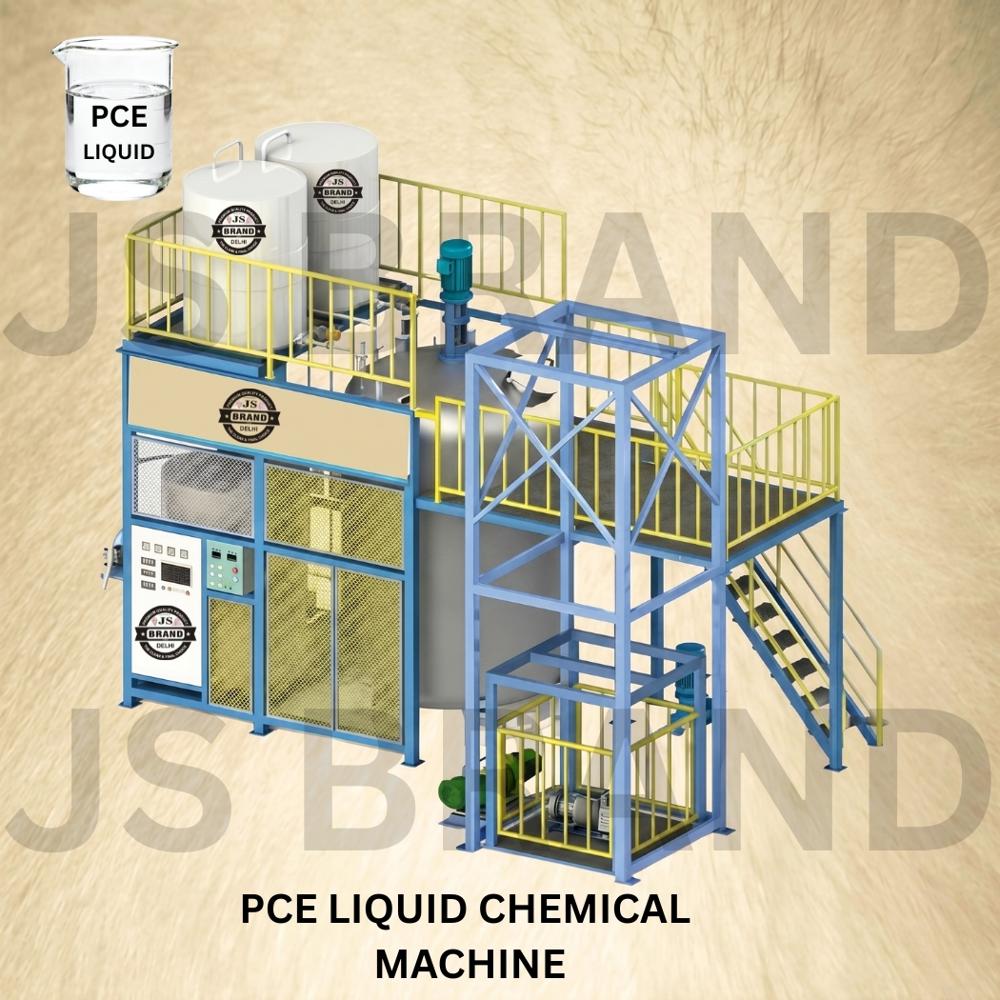
PCE LIQUID CHEMICAL MACHINE
Price 3349000.0 INR / Unit
Minimum Order Quantity : 1 Unit
Color : Other, Pale yellow
Warranty : 1 YEAR
Product Type : Other
Operating Type : Semi Automatic
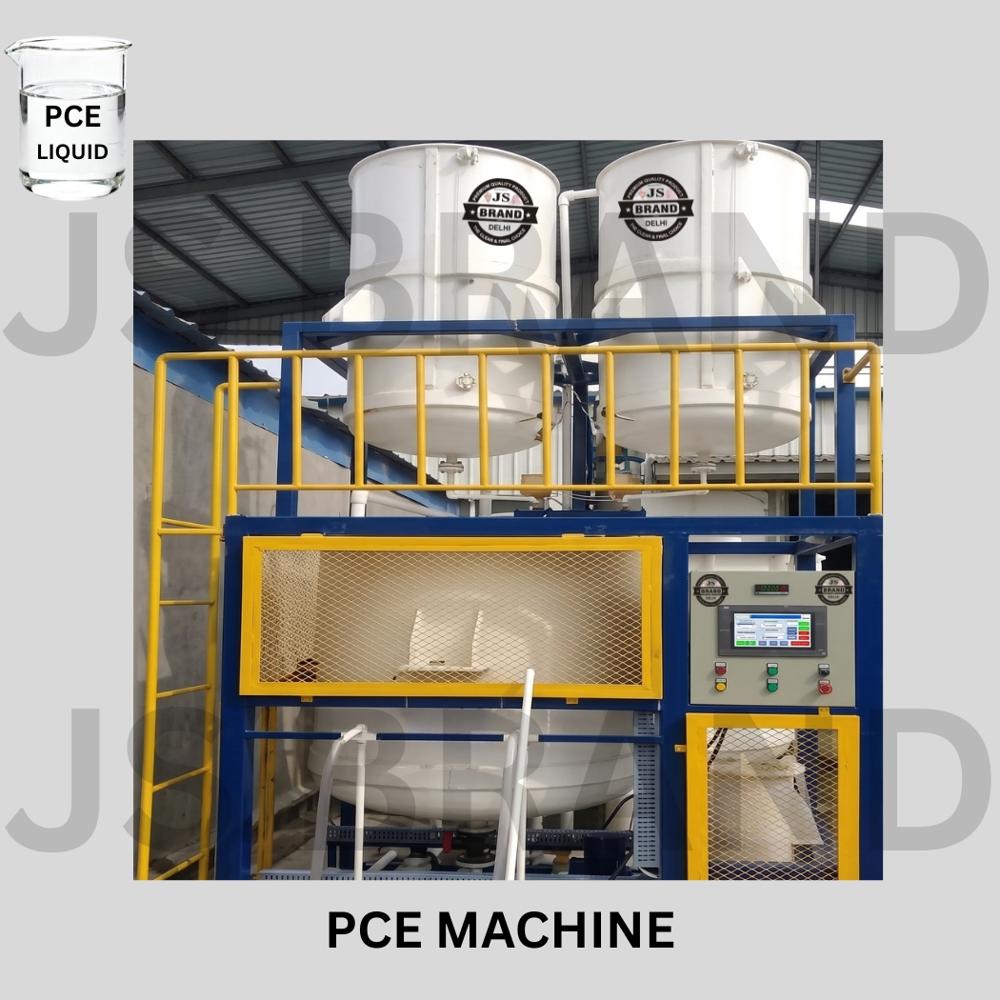
PCE MACHINE
Price 4050000.0 INR / Piece
Minimum Order Quantity : 1 Piece
Color : Other, Light yellow
Warranty : 1 YEAR
Product Type : Other
Operating Type : Semi Automatic
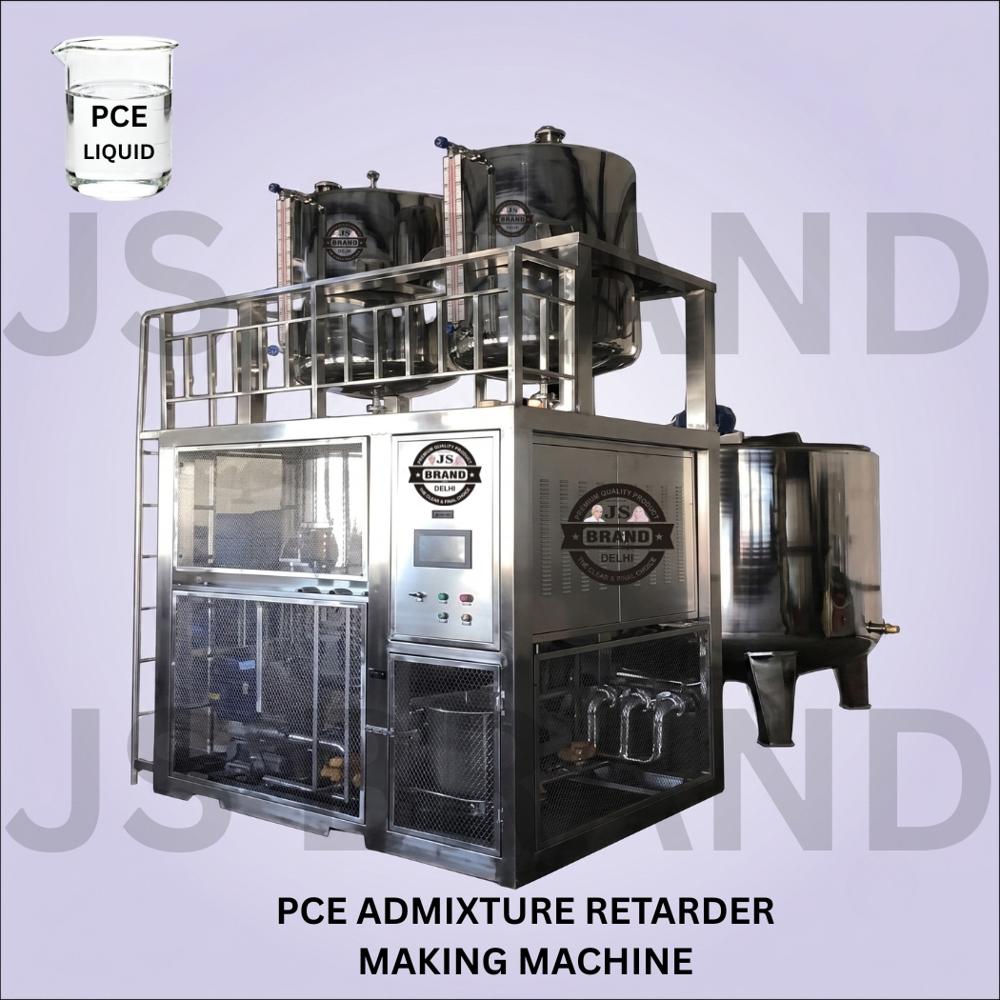
PCE ADMIXTURE RETARDER MAKING MACHINE
Price 5154000.0 INR / Piece
Minimum Order Quantity : 1 Piece
Color : Other, Metallic (machine), Final product: Colorless to light yellow liquid
Warranty : 1 YEAR
Product Type : Other
Operating Type : Semi Automatic
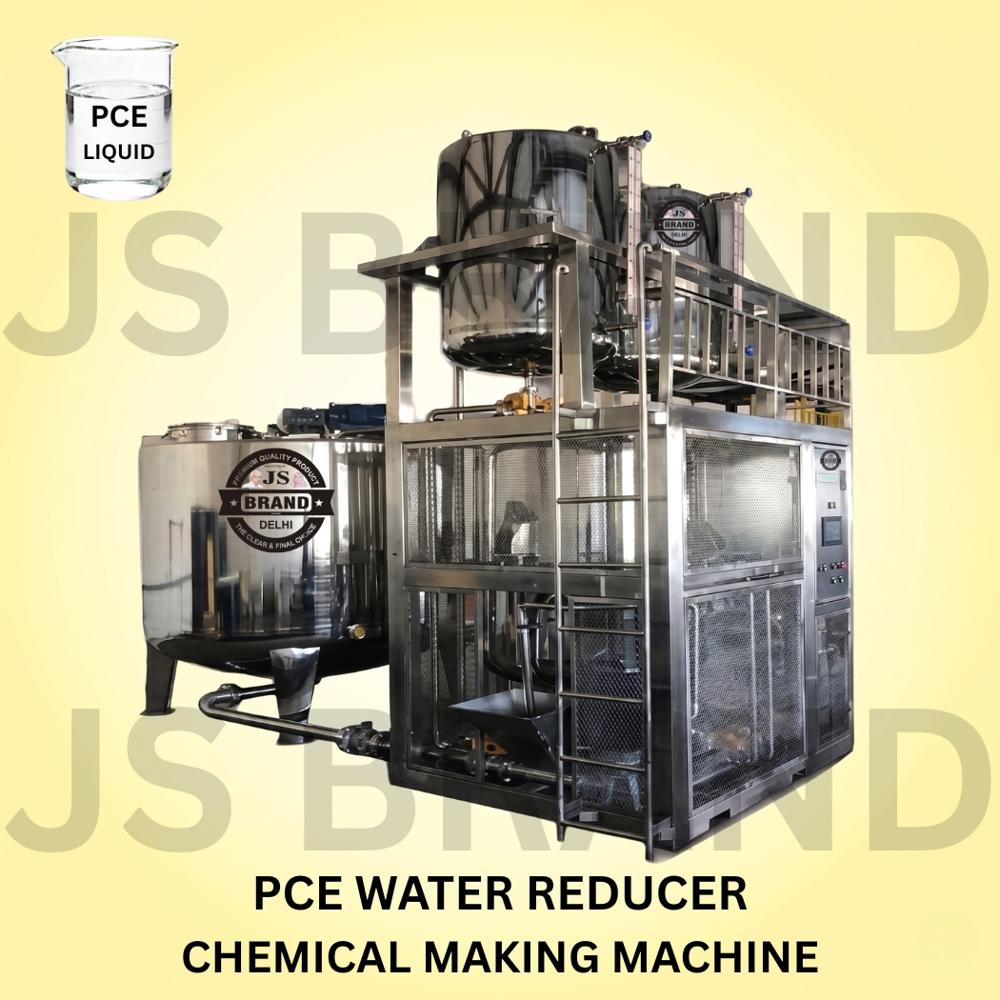
PCE WATERREDUCER CHEMICAL MAKING MACHINE
Price 5159000.0 INR / Piece
Minimum Order Quantity : 1 Piece
Color : Other, Metallic silver/grey
Warranty : 1 YEAR
Product Type : Other
Operating Type : Semi Automatic

Developed and Managed by Infocom Network Private Limited.

